Haircare Image

How to Achieve Gorgeous, Healthy Hair with the Right Haircare Routine

Haircare is an essential part of maintaining overall health and confidence, as healthy hair not only enhances your appearance but also reflects your well-being. Proper haircare involves more than just washing your hair; it includes understanding your hair type, using the right products, and following a consistent routine that nourishes both your hair and scalp. Every individual’s hair is unique, and factors like genetics, diet, lifestyle, and environmental exposure play a significant role in its condition.

Effective haircare focuses on preventing common issues such as hair fall, dryness, dandruff, and split ends while promoting natural shine and strength. Incorporating practices like gentle cleansing, deep conditioning, regular trims, and scalp massages can significantly improve hair health. Additionally, a balanced diet rich in vitamins, minerals, and proteins supports hair growth from within. By following a personalized haircare routine, you can achieve healthier, stronger, and more beautiful hair, making haircare an essential part of daily self-care and wellness.

Boost Haircare Now
Start My Digestive Reset
Get Digestive Relief

Understanding Your Hair Type

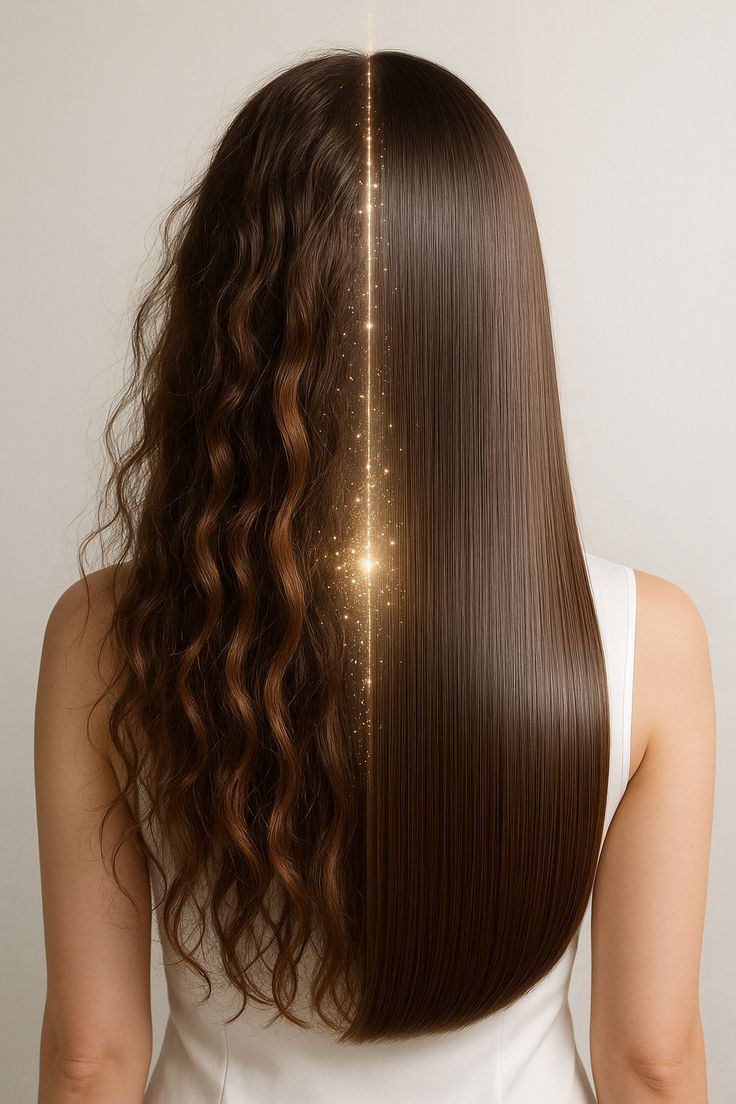
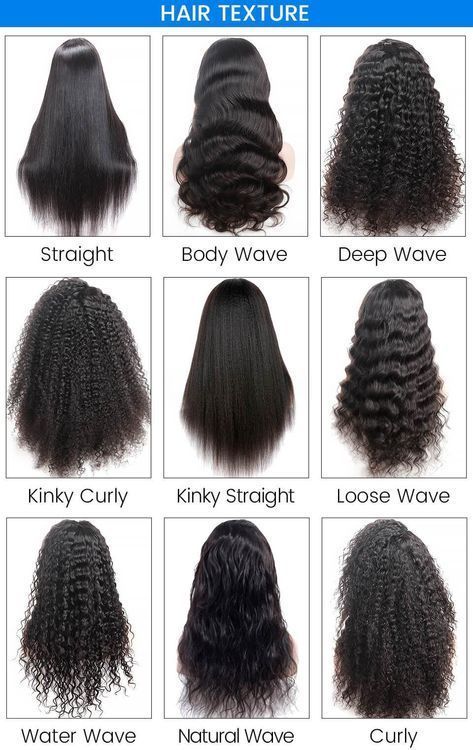
Understanding your hair type is a crucial step in creating an effective haircare routine that delivers the best results. Hair is as unique as the person it belongs to, and knowing its specific characteristics helps in selecting the right products and treatments. Hair types generally fall into four main categories: straight, wavy, curly, and coily, each with its own care requirements.

Straight hair tends to get oily faster and may require lightweight shampoos and regular cleansing, while wavy hair needs hydration and frizz control to maintain its natural texture. Curly hair often faces dryness and breakage, making deep conditioning, leave-in creams, and protective hairstyles essential. Coily hair, the most delicate type, requires intense moisture, gentle handling, and protective styling to prevent damage.

Beyond texture, other factors such as scalp type, porosity, and density play an important role in haircare decisions. A dry scalp may benefit from moisturizing oils and gentle shampoos, whereas an oily scalp may need balancing treatments. Hair porosity determines how well your hair absorbs and retains moisture, influencing your choice of conditioners, masks, and styling products.

By understanding your hair type, you can avoid common problems like frizz, breakage, and excessive hair fall, and instead promote stronger, healthier, and shinier hair. Proper haircare begins with self-awareness, and tailoring your routine to your unique hair type ensures optimal results and long-lasting hair health.
Haircare-web

Common Hair Problems and Causes

Haircare is not just about looking good; it’s about maintaining healthy, strong, and resilient hair. Many people struggle with common hair problems that affect their hair’s appearance and health. Understanding these issues and their causes is essential to creating an effective haircare routine that promotes long-lasting hair health. Hair problems can range from hair fall and dandruff to dryness, split ends, and breakage. Each issue has specific causes, and addressing them properly can prevent further damage and improve overall hair condition.

1. Hair Fall: Hair fall is one of the most common hair problems and can be caused by stress, hormonal imbalances, poor nutrition, genetics, or excessive use of heat and chemical treatments. Regular scalp care, a balanced diet, and gentle styling can help reduce hair fall.

2. Dandruff: Flaky scalp or dandruff results from dryness, fungal infections, or improper cleansing. Using anti-dandruff shampoos, moisturizing the scalp, and maintaining scalp hygiene are key steps in managing this issue.

3. Dry and Brittle Hair: Lack of moisture, excessive sun exposure, harsh shampoos, and chemical treatments can make hair dry and fragile. Deep conditioning, hydrating masks, and natural oils can restore softness and shine.

4. Split Ends: Split ends occur due to mechanical damage from combing, heat styling, and chemical treatments. Regular trims and protective haircare practices prevent further splitting.

5. Oily Scalp: Excess oil production can weigh hair down, cause scalp acne, and attract dirt. Using gentle, balancing shampoos and avoiding heavy products can manage oiliness.

By identifying the causes behind these common hair problems, you can tailor a haircare routine that not only solves these issues but also promotes healthy, strong, and beautiful hair. Proper haircare ensures your hair remains vibrant, manageable, and resilient against daily damage.

Haircare-web

Essential Haircare Routine

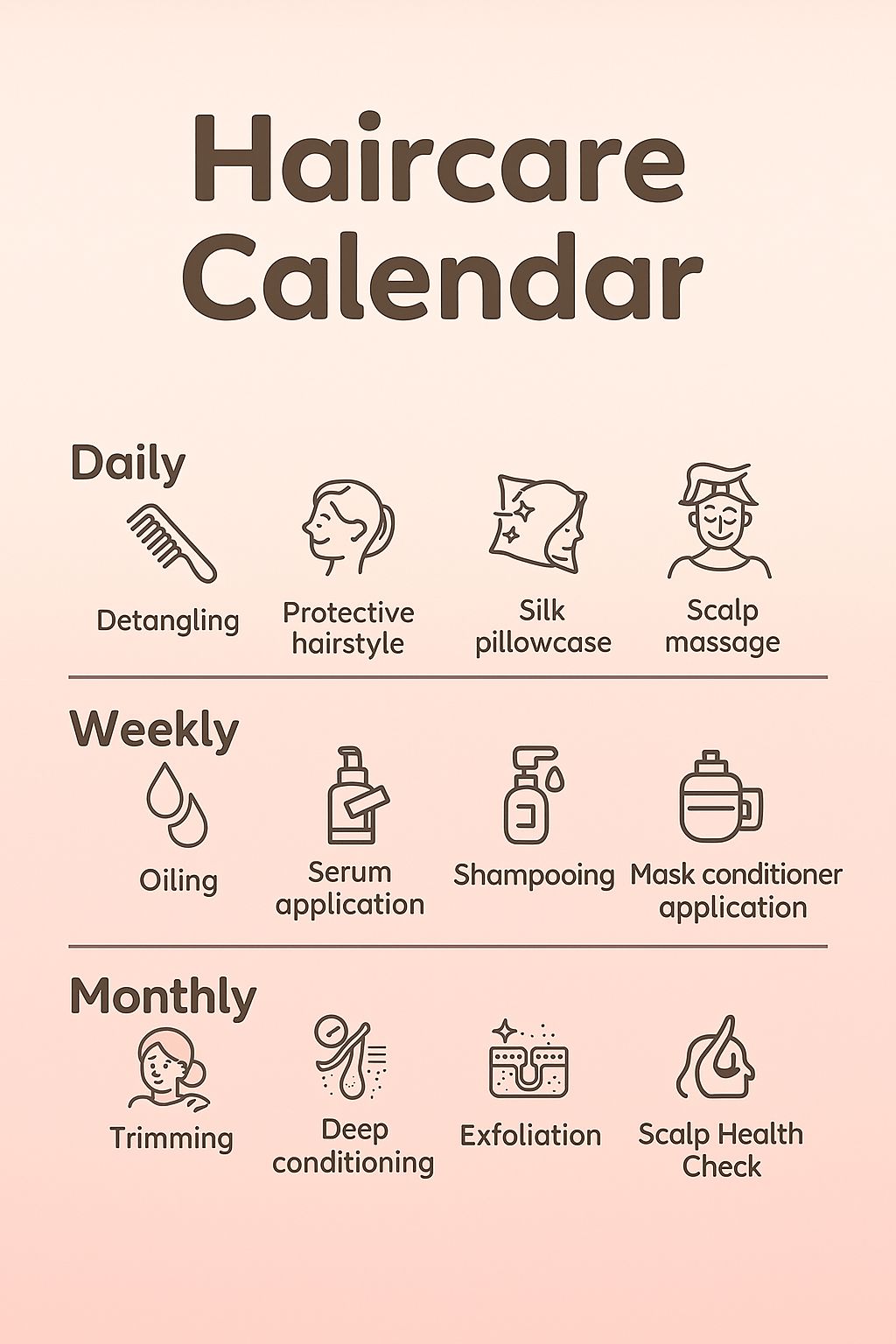
A proper haircare routine is the foundation for maintaining healthy, strong, and beautiful hair. Haircare is not just about washing your hair; it involves a complete regimen that nourishes your scalp, protects your strands, and addresses individual hair needs. Following an essential haircare routine helps prevent common problems like hair fall, dryness, dandruff, and split ends, while promoting growth, shine, and overall hair health.


1. Cleansing: Regular washing removes dirt, excess oil, and product buildup from your hair and scalp. Choose a shampoo suitable for your hair type, whether it’s oily, dry, or color-treated. Avoid harsh sulfates, as they can strip natural oils and cause dryness.


2. Conditioning: After shampooing, apply a conditioner to restore moisture, improve softness, and prevent tangles. Focus on the mid-lengths and ends rather than the scalp to avoid weighing your hair down.


3. Deep Conditioning and Hair Masks: Once or twice a week, use a deep conditioning treatment or hair mask to repair damage, strengthen strands, and enhance shine. Ingredients like coconut oil, argan oil, and keratin can provide extra nourishment.


4. Scalp Care: A healthy scalp is key to hair growth. Massage your scalp gently to improve blood circulation, reduce stress, and stimulate follicles. You can also use light oils or serums to maintain scalp hydration.


5. Protective Measures: Minimize heat styling, chemical treatments, and tight hairstyles that can cause breakage. Use heat protectants when styling and cover your hair from sun exposure to prevent damage.


6. Regular Trims: Trimming every 6–8 weeks helps remove split ends and keeps hair looking healthy and fresh.


By following this essential haircare routine consistently, you can maintain stronger, shinier, and healthier hair, making it an integral part of your daily self-care regimen. Proper haircare ensures your hair remains resilient, manageable, and beautiful through every season.

Haircare Tips for Different Hair Types

Every individual’s hair is unique, and understanding your hair type is crucial for an effective haircare routine. Haircare is not one-size-fits-all; what works for straight hair may not suit curly or coily hair. By tailoring your haircare routine to your specific hair type, you can address common problems, enhance natural texture, and promote stronger, healthier hair. Here’s a detailed guide on haircare tips for different hair types to help you achieve optimal results.

1. Straight Hair: Straight hair tends to get oily quickly and may appear flat or lifeless. Use a lightweight shampoo to cleanse without stripping natural oils, and focus on moisturizing conditioners for the ends. Avoid heavy styling products that can weigh your hair down. Regular scalp massages can improve blood circulation and encourage hair growth.

2. Wavy Hair: Wavy hair often struggles with frizz and uneven texture. Use sulfate-free shampoos and hydrating conditioners to maintain balance. Incorporate leave-in conditioners or light styling creams to define waves and reduce frizz. Air-drying or using a diffuser on low heat can help maintain natural wave patterns.

3. Curly Hair: Curly hair is prone to dryness and breakage due to its structure. Focus on moisturizing shampoos, deep conditioners, and natural oils like argan or coconut oil. Avoid over-washing, as it can strip essential oils. Use wide-tooth combs for detangling and protective hairstyles to reduce stress on curls.

4. Coily Hair: Coily hair is delicate and requires intensive care to prevent damage. Regular deep conditioning treatments, gentle handling, and protective styles like braids or twists are essential. Moisturize frequently with leave-in conditioners and oils to maintain hydration and prevent breakage.

By understanding your hair type and following these tailored haircare tips, you can maintain healthy, strong, and beautiful hair. Consistent, type-specific haircare ensures that your hair looks its best while staying nourished and resilient against daily damage.

Haircare-web

Nutrition and Lifestyle for Healthy Hair

Healthy hair starts from within, making nutrition and lifestyle an essential part of any effective haircare routine. Haircare is not only about using the right products or following external treatments; it also involves providing your hair with the nutrients it needs to grow strong, shiny, and resilient. A balanced diet, proper hydration, and healthy lifestyle habits play a significant role in preventing hair problems such as hair fall, dryness, and breakage. By combining good nutrition with a hair-friendly lifestyle, you can achieve long-lasting hair health and vitality.

1. Balanced Diet: Eating a diet rich in proteins, vitamins, and minerals is crucial for hair growth. Foods like eggs, fish, nuts, seeds, leafy greens, and fruits provide essential nutrients such as biotin, zinc, iron, and vitamin E, which strengthen hair follicles and promote natural shine.

2. Hydration: Drinking enough water daily keeps your scalp hydrated and supports hair growth. Dehydration can lead to dryness, brittle strands, and scalp irritation.

3. Stress Management: High stress levels can trigger hair fall and slow growth. Practices like yoga, meditation, or regular exercise help reduce stress and improve overall hair health.

4. Adequate Sleep: Sleep is vital for cell regeneration, including hair follicle repair. Aim for 7–8 hours of quality sleep to support hair growth and maintain scalp health.

5. Avoid Harmful Habits: Excessive smoking, alcohol consumption, and processed foods can weaken hair structure. Limiting these habits and focusing on a healthy lifestyle complements your haircare routine effectively.

By integrating proper nutrition and a healthy lifestyle into your haircare routine, you ensure that your hair remains strong, shiny, and resilient. This holistic approach not only enhances the beauty of your hair but also improves its overall health from root to tip.

Haircare Products and How to Choose Them

Choosing the right haircare products is essential for maintaining healthy, strong, and beautiful hair. Haircare is not just about using any shampoo or conditioner; it’s about selecting products that suit your hair type, address specific concerns, and provide the necessary nutrients and protection. With the vast range of products available in the market, understanding what your hair needs can help you make informed decisions and avoid damage caused by harsh chemicals or unsuitable formulas.

1. Shampoo:
Select a shampoo based on your hair type and scalp condition. For oily hair, use a clarifying shampoo to remove excess sebum, while dry hair benefits from moisturizing shampoos. Avoid shampoos with harsh sulfates, as they can strip natural oils and lead to dryness.

2. Conditioner:
Conditioners help restore moisture, improve manageability, and prevent tangling. Apply conditioner primarily to the mid-lengths and ends to avoid weighing down the roots. Choose formulas enriched with natural oils or proteins for added nourishment.

3. Hair Masks and Deep Conditioners:
Use hair masks once or twice a week to repair damage, strengthen strands, and enhance shine. Ingredients like keratin, argan oil, or shea butter provide intensive care for dry or chemically treated hair.

4. Hair Oils and Serums:
Hair oils and serums provide hydration, reduce frizz, and protect hair from environmental damage. Coconut oil, argan oil, and jojoba oil are excellent choices for nourishing the scalp and adding natural shine.

5. Styling Products:
Use heat protectants before styling with hot tools to prevent damage. Lightweight gels, creams, or mousses can enhance texture and hold styles without harming your hair.

By understanding your hair type and concerns, you can choose haircare products that truly support healthy hair. A thoughtful selection of shampoos, conditioners, masks, oils, and styling products ensures your hair remains strong, vibrant, and resilient every day.

Common Myths About Haircare

Haircare is often surrounded by myths and misconceptions that can lead to ineffective routines or even hair damage. Understanding the truth behind these common beliefs is essential for maintaining healthy, strong, and beautiful hair. While many haircare tips circulate online or through word of mouth, not all of them are scientifically accurate. Separating fact from fiction helps you make informed decisions, choose the right products, and follow practices that truly benefit your hair.

1. Frequent Trimming Makes Hair Grow Faster:
One of the most common myths is that cutting your hair frequently accelerates growth. While trims prevent split ends and keep hair looking healthy, hair growth occurs at the follicle level, not from cutting the ends.

2. Brushing Hair 100 Strokes a Day Is Necessary:
Excessive brushing can actually damage hair, causing breakage and split ends. Gentle brushing, focusing on detangling, is sufficient to maintain healthy hair without causing harm.

3. Natural Oils Can Replace Shampoo Completely:
While oils like coconut or argan provide nourishment, they cannot remove dirt, sweat, and product buildup effectively. Shampooing remains essential to cleanse the scalp and hair properly.

4. Heat Styling Doesn’t Cause Long-Term Damage if Used Occasionally:
Even occasional use of flat irons or curling tools can weaken hair over time. Using heat protectants and limiting styling frequency is crucial for preventing long-term damage.

5. Hair Products Work Instantly:
Many people expect immediate results from shampoos, conditioners, or serums. Haircare is a gradual process, and consistent use of suitable products is necessary for noticeable improvement.

By understanding these common haircare myths, you can avoid mistakes and create a routine that truly supports healthy, strong, and vibrant hair. Educating yourself about haircare ensures that your efforts lead to lasting results rather than temporary fixes.

Natural Remedies for Hair Growth and Strength

Natural remedies play a vital role in effective haircare, offering a safe and nourishing way to promote hair growth and strengthen strands. Unlike chemical treatments, natural solutions provide essential nutrients to the hair and scalp, improving overall health while minimizing damage. Incorporating these remedies into your haircare routine can help combat common issues like hair fall, dryness, and breakage, while enhancing shine, volume, and resilience.

1. Coconut Oil:
Coconut oil is rich in fatty acids and vitamins that penetrate the hair shaft, reducing protein loss and strengthening strands. Regular scalp massages with warm coconut oil improve circulation, nourish follicles, and promote hair growth.

2. Aloe Vera:
Aloe vera soothes the scalp, reduces inflammation, and maintains moisture balance. Applying fresh aloe vera gel to the scalp helps prevent dandruff, strengthens hair roots, and adds natural shine.

3. Onion Juice:
Onion juice contains sulfur, which boosts collagen production and strengthens hair follicles. Regular application can reduce hair fall, encourage new growth, and improve overall hair density.

4. Fenugreek Seeds:
Fenugreek seeds are rich in proteins and nicotinic acid, which nourish the scalp and prevent hair thinning. Soaked and ground into a paste, they can be applied as a mask to strengthen hair and stimulate growth.

5. Argan Oil and Other Natural Oils:
Argan oil, jojoba oil, and castor oil provide deep hydration, repair damaged strands, and protect hair from environmental stress. These oils also reduce frizz, improve elasticity, and promote thicker, healthier hair.

By integrating these natural remedies into your haircare routine, you can achieve stronger, longer, and more resilient hair. Consistent use not only enhances growth but also maintains the overall health and beauty of your hair naturally.

Conclusion

Effective haircare is more than just a routine—it’s a commitment to maintaining healthy, strong, and beautiful hair. By understanding your hair type, addressing common hair problems, and following a tailored haircare routine, you can prevent damage, reduce hair fall, and enhance natural shine. Proper nutrition, hydration, and a healthy lifestyle further support hair growth and overall scalp health, making internal care just as important as external treatments.

Incorporating natural remedies and choosing the right haircare products ensures your hair receives essential nourishment and protection from daily stressors. Avoiding common myths and adopting scientifically backed practices allows you to make informed choices that benefit your hair in the long term. Ultimately, consistent and mindful haircare leads to stronger, more resilient, and vibrant hair. By prioritizing haircare as part of your self-care routine, you can enjoy healthy, beautiful hair that reflects your overall wellness and boosts confidence every day.

FAQs About Haircare

1. What is the best way to start a haircare routine?

Starting a haircare routine begins with understanding your hair type and scalp condition. Choose gentle shampoos, nourishing conditioners, and natural treatments that suit your hair. Consistency is key—wash, condition, and protect your hair regularly, and include deep conditioning or hair masks once or twice a week to maintain strength and shine.


2. How often should I wash my hair for healthy haircare?

The frequency of washing depends on your hair type. Oily hair may require washing every 1–2 days, while dry or curly hair benefits from 2–3 washes per week. Over-washing can strip natural oils, leading to dryness and damage, so find a balance that keeps your scalp clean but your hair nourished.


3. Can diet really affect hair health?

Yes, diet plays a significant role in haircare. Hair needs proteins, vitamins, and minerals for growth and strength. Foods rich in biotin, vitamin E, zinc, iron, and omega-3 fatty acids help prevent hair fall, dryness, and brittle strands, while supporting natural shine and thickness.


4. What are the most common hair problems?

Common hair problems include hair fall, split ends, dandruff, dryness, frizz, and breakage. These issues can result from poor haircare practices, stress, hormonal changes, environmental damage, or nutritional deficiencies. Addressing the root cause is crucial for long-term hair health.


5. How can I prevent hair fall naturally?

Haircare for preventing hair fall includes gentle handling, regular scalp massages, and nourishing treatments. Using mild shampoos, avoiding excessive heat, and applying natural oils like coconut or argan oil strengthens follicles. A balanced diet and stress management further reduce hair fall naturally.


6. Are natural oils effective for haircare?

Yes, natural oils like coconut, argan, jojoba, and castor oil are highly effective. They nourish the scalp, strengthen strands, prevent dryness, reduce frizz, and stimulate hair growth. Massaging oils into the scalp improves circulation and overall hair health.


7. How do I choose the right shampoo?

Select a shampoo based on your hair type and scalp needs. For oily hair, choose clarifying shampoos; for dry hair, moisturizing shampoos are ideal. Avoid harsh sulfates and chemicals that strip natural oils, and opt for products enriched with vitamins and natural extracts.


8. Should I condition my hair every time I shampoo?

Yes, conditioning after every shampoo is recommended. Conditioners restore moisture, improve softness, and reduce tangling. Focus on mid-lengths and ends to prevent weighed-down roots while keeping strands smooth and nourished.


9. How often should I trim my hair?

Regular trims every 6–8 weeks prevent split ends and keep hair looking healthy. While trimming does not make hair grow faster, it maintains hair strength, reduces breakage, and enhances overall appearance.


10. Is heat styling bad for hair?

Excessive heat styling can damage hair, causing dryness, split ends, and breakage. Using heat protectants and limiting styling frequency can minimize damage. Air-drying when possible and using lower heat settings also helps maintain hair health.


11. Can stress affect hair growth?

Yes, stress can lead to hair thinning and hair fall by disrupting the hair growth cycle. Haircare combined with stress management techniques like meditation, yoga, and proper sleep can help maintain strong and healthy hair.


12. Are hair masks necessary for haircare?

Hair masks are highly beneficial, especially for dry, damaged, or chemically treated hair. They provide deep hydration, repair damage, strengthen strands, and improve shine. Using masks 1–2 times a week enhances overall hair health.


13. How does water temperature affect haircare?

Hot water can strip natural oils, causing dryness and frizz, while cold water helps seal the cuticle and adds shine. Lukewarm water is ideal for cleansing, balancing scalp health, and maintaining moisture.


14. Can haircare prevent premature graying?

While genetics play a major role, proper haircare can delay premature graying. Nourishing treatments, balanced nutrition, and protecting hair from stress, pollution, and heat can help maintain hair’s natural color for longer.


15. Are home remedies effective for hair growth?

Yes, home remedies like aloe vera, onion juice, fenugreek, and coconut oil provide essential nutrients to hair follicles, strengthen hair, and stimulate growth. Regular use complements a complete haircare routine.


16. How important is scalp care in haircare?

Scalp care is essential because healthy follicles support strong hair growth. Regular scalp massages, exfoliation, and hydration help prevent dandruff, reduce hair fall, and stimulate blood circulation for healthier hair.


17. Can I use the same products for different hair types?

No, using the wrong products can worsen hair problems. Straight, wavy, curly, and coily hair types have unique needs. Choosing haircare products tailored to your hair type ensures optimal moisture, protection, and nourishment.


18. Does sun exposure damage hair?

Yes, excessive sun exposure can weaken hair, cause dryness, and fade color. Haircare practices like wearing hats, using UV-protective sprays, and moisturizing treatments help protect hair from sun damage.


19. Can haircare prevent dandruff?

Proper haircare helps prevent dandruff by keeping the scalp clean and hydrated. Anti-dandruff shampoos, gentle cleansing, regular scalp exfoliation, and maintaining scalp moisture reduce flakes and itching effectively.


20. How does sleep affect hair health?

Sleep supports cell regeneration, including hair follicles. Lack of sleep can slow growth and weaken strands. Haircare combined with 7–8 hours of quality sleep promotes stronger, healthier hair.